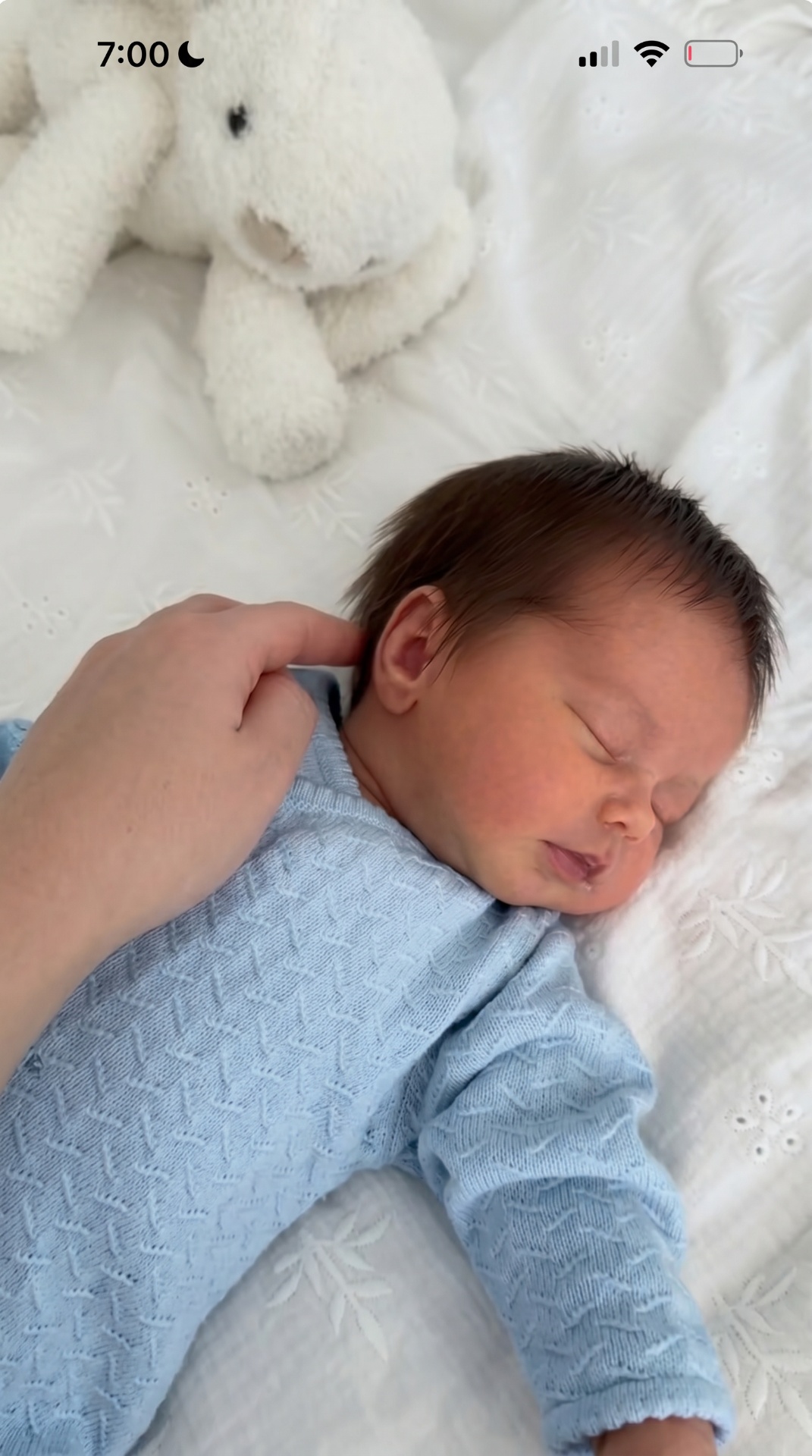
Baby Sleep Schedule by Age: Wake Windows & Sample Routines (Newborn-12 Months)
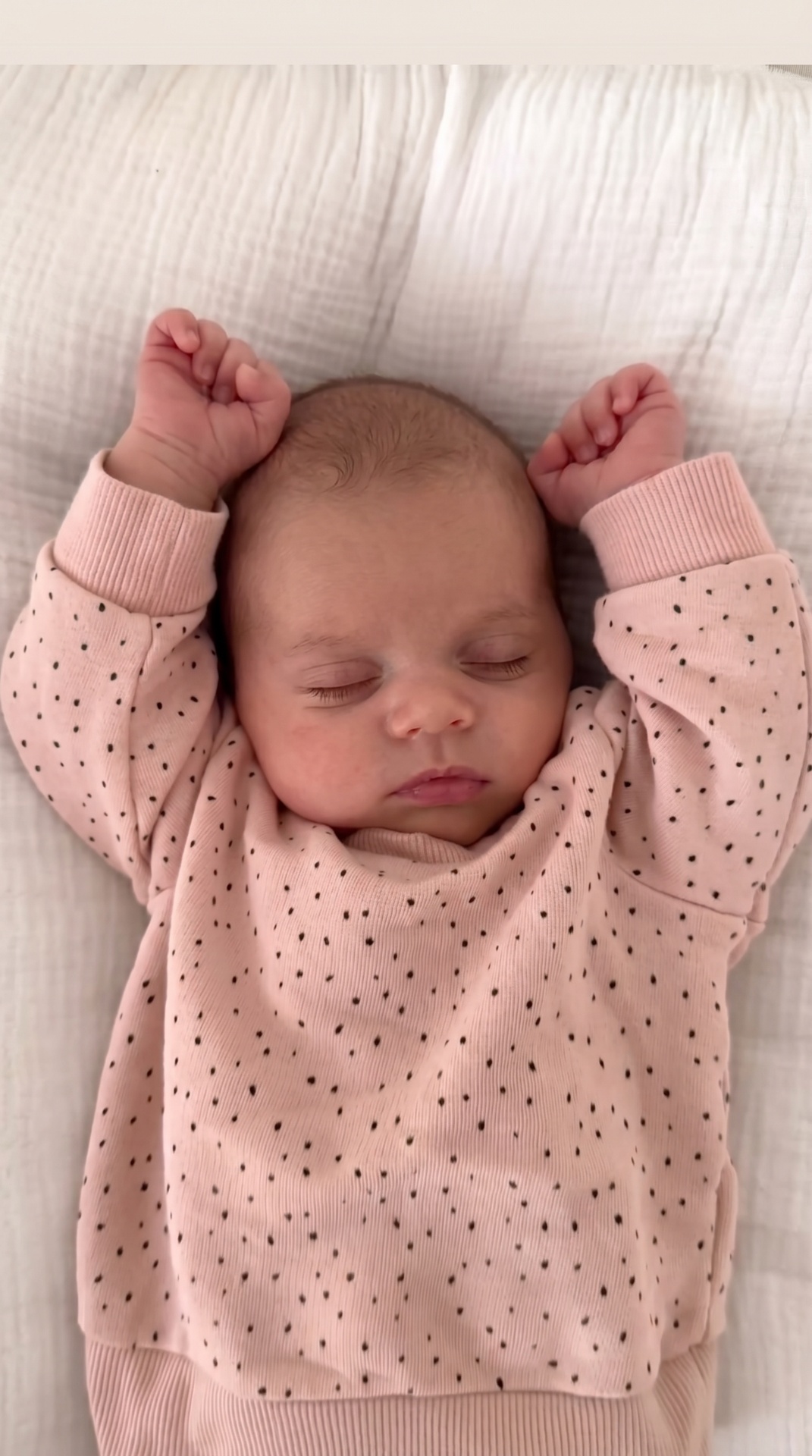
Your baby's sleep needs change dramatically in the first year. The right schedule at 2 months will wreck your day at 9 months. This guide is the map: total sleep, wake windows, and nap counts for every stage, each linking to a full sample-day schedule.
The single most useful idea in baby sleep: watch the wake window, not just the clock. A wake window is how long your baby can comfortably stay awake before becoming overtired. Get it right and sleep usually falls into place; get it wrong and you get short naps, bedtime battles, and night wakings.
Baby sleep schedule by age (master chart)
| Age | Total sleep / 24h | Wake window | Naps/day |
|---|---|---|---|
| Newborn (0-12 wk) | 14-17 hrs | 35-90 min | 4-6+ |
| 2 months | 14-16 hrs | 60-90 min | 4-5 |
| 3 months | 14-16 hrs | 75-120 min | 3-4 |
| 4 months | 12-15 hrs | 1.5-2.25 hrs | 3 |
| 5 months | 12-15 hrs | 2-2.5 hrs | 3 |
| 6 months | 12-15 hrs | 2-3 hrs | 2-3 |
| 7-9 months | 12-15 hrs | 2.5-3.25 hrs | 2 |
| 10-12 months | 12-14 hrs | 3-4 hrs | 2 |
Tap any age for a full sample day with feed and nap times.
How to use this chart
These are typical ranges, not targets to hit exactly. Use them as a starting point, then let your baby's tired cues fine-tune the timing:
- Sleepy cues (the right window): staring off, red eyebrows, slowing down, looking away, first yawns.
- Overtired cues (window too long): arching back, frantic crying, rubbing eyes hard, hard to settle.
- Undertired cues (window too short): happy and playful at the crib, 20+ minutes to fall asleep, then a tiny nap.
The first wake window of the day is usually the shortest; the last before bedtime is often the longest.
Schedule vs. routine
A rigid clock-based schedule rarely survives real babies. A flexible, predictable routine -- same order of events, anchored to a consistent morning wake-up -- does. Read schedule vs. routine for how to think about structure without the stress.
The big transitions to expect
- 3 to 4 months: the 4-month sleep regression -- sleep cycles mature permanently. Start building independent sleep.
- 6 to 8 months: dropping from 3 naps to 2.
- 8 to 9 months: a regression from crawling, pulling up, and separation anxiety.
- 15 to 18 months: dropping from 2 naps to 1 (not before -- see the 10-12 month guide).
Foundations that work at every age
- Protect wake windows for your baby's age -- this fixes most sleep problems.
- Anchor the morning with a consistent wake-up time to set the body clock.
- Keep a short, consistent bedtime routine -- see how to help your baby fall asleep.
- Practice drowsy-but-awake so your baby can link sleep cycles.
- Always follow safe sleep -- back to sleep, firm flat surface, empty crib. Review the safe sleep basics.
When short naps or night wakings won't quit
If naps stay short or nights stay rough despite good timing, the cause is usually one of: wake window slightly off, overtiredness at bedtime, or a sleep association that needs help. See why babies take short naps and the overtired baby cycle.
This is exactly what Baby Signal is built for. Instead of guessing whether a short nap means the wake window was too long or too short, you describe what happened -- "down at 9:15, took 25 minutes to settle, woke after 35" -- and get one clear adjustment shaped by your baby's age and history. Get Baby Signal and stop second-guessing the clock.
Wake windows by age
Wake windows are the engine behind every schedule above. For age-specific timing and troubleshooting, see the wake window guides for newborn, 3 months, 4 months, 5 months, 6 months, and 7 months, or the full wake windows by age chart.
The takeaway
There's no single baby sleep schedule -- there's a schedule for each stage. Start with the chart for your baby's age, follow the link to its full sample day, and trust tired cues over the clock. Small timing changes -- 10 to 15 minutes -- often fix what feels like a big sleep problem.
Frequently asked questions
What is the best sleep schedule for a baby by age?
It changes monthly. Newborns sleep 14-17 hours on 35-90 minute wake windows; by 12 months babies sleep about 12-14 hours on 3-4 hour wake windows with 2 naps. Use the master chart above and tap your baby's age for a full sample day.
How do I know my baby's wake window?
Start with the typical range for their age, then watch tired cues. Staring off and first yawns mean the window is right; arching and frantic crying mean it ran too long; playing happily at the crib means it was too short.
Should I follow a strict schedule or a routine?
A flexible routine works better than a rigid clock. Keep the same order of events and a consistent morning wake-up, and let wake windows set the exact timing each day.
When do babies sleep through the night?
It varies widely. Some give long stretches by 3-5 months; many still take a night feed past 6 months. Consistent routines, age-appropriate wake windows, and independent sleep skills help more than any single trick.
A note on this guide: Baby Signal’s articles are written to be practical and reassuring, drawing on guidance from recognized health authorities. This is general information, not medical advice — for urgent or personal health concerns, always contact your pediatrician or emergency services.
Understand your baby — not just track them.
Baby Signal turns what you're seeing into one clear next step, shaped by your baby's age, history, and what you've already tried.