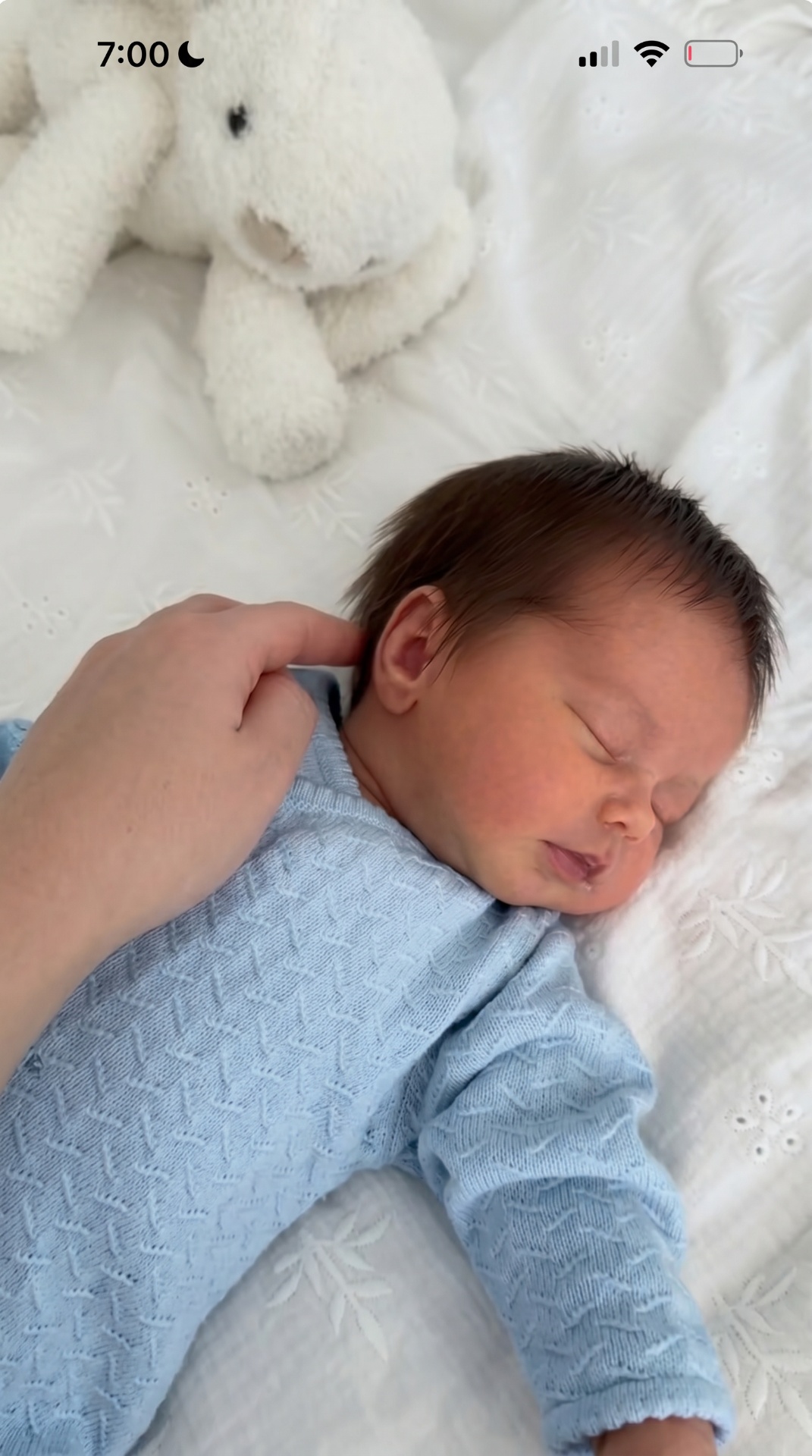
Safe Sleep Basics: Back to Sleep and the ABCs of Infant Sleep

Before any sleep "method," the foundation is safety. The good news: the core safe-sleep rules are simple, and following them dramatically lowers the risk of sleep-related infant death.
Once safe sleep is set, work on the rhythm: see wake windows by age, what to do about contact naps, and when to stop swaddling.
This article is general education, not medical advice. Always follow guidance from your pediatrician and your country's official health authority.
The ABCs of safe sleep
A simple way to remember the essentials — your baby should sleep:
- A — Alone: on their own sleep surface, with no other people, pillows, blankets, bumpers, or toys.
- B — on their Back: for every sleep, naps and nighttime, until age 1.
- C — in a Crib: (or bassinet/play yard) with a firm, flat mattress and a fitted sheet — nothing else.
Back to sleep, every time
Always place your baby on their back to sleep. Back sleeping keeps the airway clear and is the single most studied factor in reducing SIDS risk. Side sleeping is not safe — babies can roll to their stomach.
What about when they roll over? Once your baby can roll both ways independently, you can let them find their own position — but still always place them down on their back, and stop swaddling before this stage.
A clear, firm sleep space
- Firm, flat mattress that fits the crib snugly
- Fitted sheet only — no loose bedding
- No pillows, blankets, bumper pads, positioners, or stuffed animals
- Use a sleep sack or wearable blanket instead of loose blankets for warmth
Room sharing (not bed sharing)
Health authorities recommend keeping your baby's sleep space in your room — but on a separate surface — ideally for at least the first 6 months. Room sharing makes feeding and comforting easier while keeping your baby on their own safe surface. Adult beds, couches, and armchairs are not safe sleep surfaces for babies.
More ways to lower risk
- Avoid overheating. Dress your baby in one light layer more than you'd wear; keep the room comfortably cool.
- Offer a pacifier at sleep times (after breastfeeding is established, if nursing) — it's associated with lower SIDS risk.
- Keep the air smoke-free.
- Breastfeed if you can.
- Stay up to date on well-child visits and immunizations.
Tummy time is for awake time
Back to sleep, tummy to play. Supervised tummy time while your baby is awake builds neck and shoulder strength and helps prevent flat spots — it's the daytime complement to back sleeping.
Where Baby Signal fits
Baby Signal is a parenting companion, not a safety device or medical tool. We always anchor sleep guidance to safe-sleep fundamentals — and for anything urgent or health-related, we'll point you to your pediatrician or emergency services.
Once the sleep space is safe, the next challenge is timing and settling. Baby Signal helps you read your baby's cues night to night and adjust. Get Baby Signal.
The takeaway
Safe sleep comes down to the ABCs: Alone, on the Back, in a Crib, on a firm flat surface with nothing else in it — and room sharing without bed sharing. Master these first; everything else about sleep builds on top of this foundation.
Baby sleep schedule by age
With safe sleep set, build the rhythm: see the age-by-age schedules for newborn, 3 months, and 6 months, or the full baby sleep schedule by age guide.
Frequently asked questions
What is the safest sleep position for a baby?
On their back, for every nap and every night, until age 1. Back sleeping is the single most studied factor in reducing SIDS risk. Side sleeping is not safe.
When can my baby sleep with a blanket?
Keep the crib empty of loose blankets, pillows, bumpers, and toys in the first year. Use a sleep sack or wearable blanket for warmth instead.
Is room sharing safe for babies?
Yes -- health authorities recommend keeping baby's sleep space in your room on a separate surface, ideally for at least the first 6 months. Bed sharing on adult beds, couches, and armchairs is not safe.
When can babies sleep on their stomach?
Once your baby can roll both ways independently, you can let them find their own position -- but always place them down on their back, and stop swaddling before they start rolling.
A note on this guide: Baby Signal’s articles are written to be practical and reassuring, drawing on guidance from recognized health authorities. This is general information, not medical advice — for urgent or personal health concerns, always contact your pediatrician or emergency services.
Understand your baby — not just track them.
Baby Signal turns what you're seeing into one clear next step, shaped by your baby's age, history, and what you've already tried.