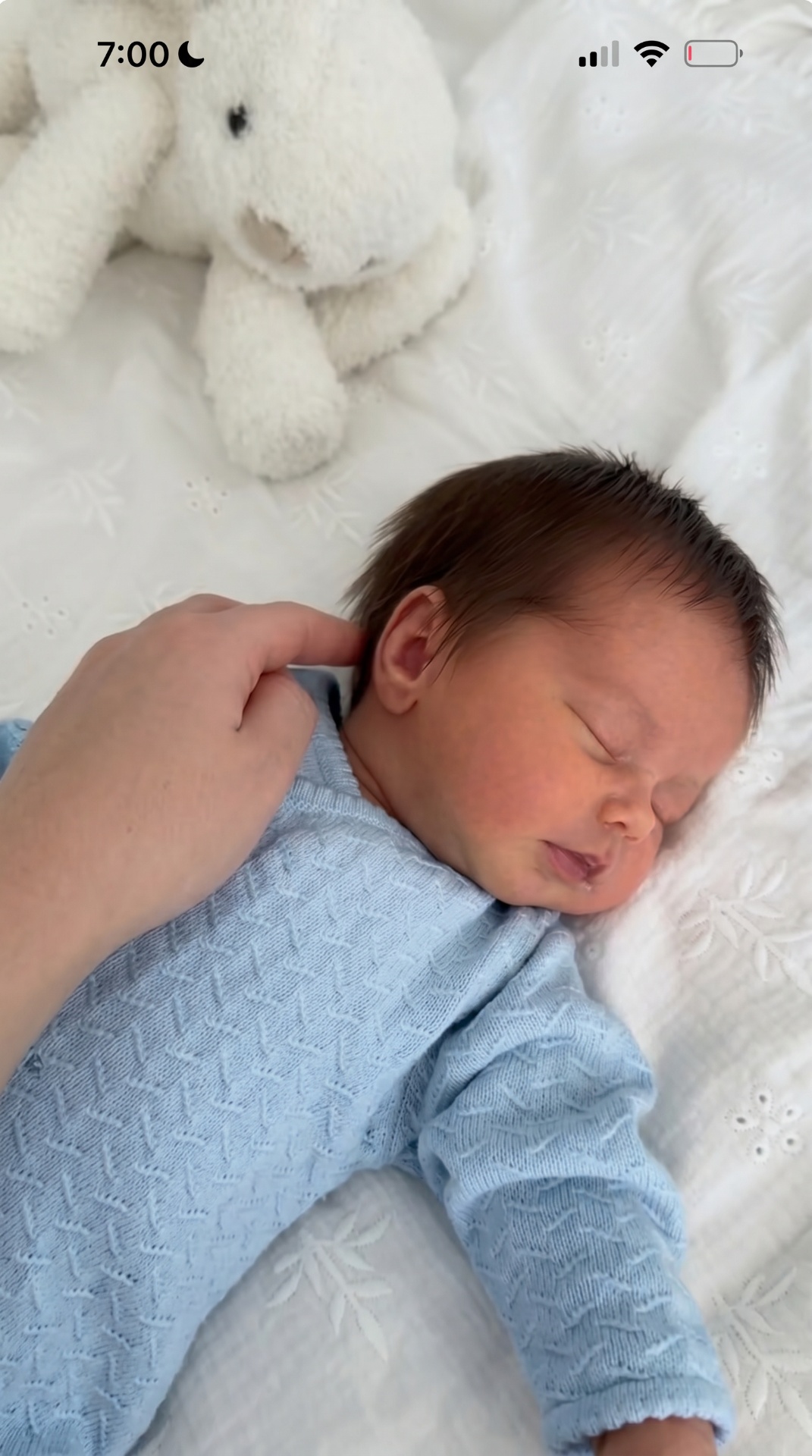
Contact Naps: Why Your Baby Will Only Sleep on You
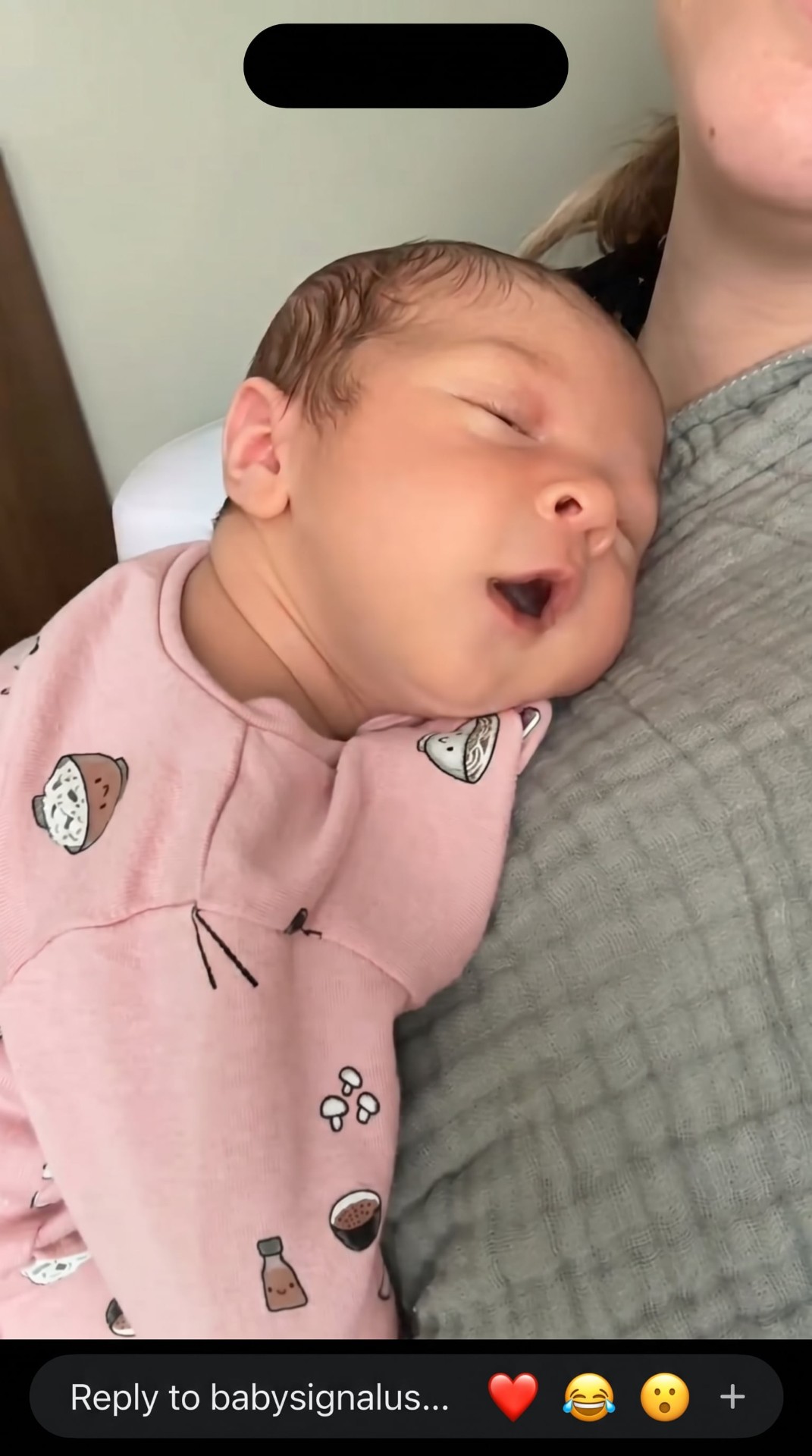
You've tried the crib. You've tried the bassinet. The second you put your baby down, the eyes pop open. So you hold them — again — and wonder if you've created a habit you'll regret.
If contact naps are wearing you out, get your timing right with our wake windows by age chart, see why short naps happen, and review safe sleep basics before any crib transfer.
First, take a breath: a baby who only wants to sleep on you isn't broken, spoiled, or manipulative. They're doing exactly what millions of years of biology designed them to do.
Why babies sleep best on you
To a newborn, you are the natural sleep environment. Your warmth, heartbeat, breathing, and smell signal safety. A flat, still, cool crib is the opposite of everything they expect. Add the Moro (startle) reflex, which can jolt them awake the moment they're set down, and contact naps start to make total sense.
Are contact naps okay?
For safe, supervised daytime naps, contact naps are completely fine — and often genuinely restorative for both of you. Many parents look back on them fondly.
A few honest caveats:
- Safe sleep still applies. If you might fall asleep, move your baby to a firm, flat, separate sleep surface on their back, with no loose bedding. Contact naps should be supervised.
- It's okay if you need more freedom. Wanting your arms back is a completely valid reason to work on the transition.
Gentle ways to transfer to the crib
- Wait for deep sleep. Transfers fail when you move too soon. Look for limp arms and a slack face — usually 10–20 minutes after they fall asleep.
- Warm the surface first. A cold sheet is a shock. Warm it with your hand (never a heat source left in the crib) before laying them down.
- Go bottom-first, slowly. Lower their bottom and legs first, then torso, keeping a hand on their chest for a few moments before easing away.
- Keep contact as you go. Stay close and bent over them briefly so the change isn't abrupt.
- Use white noise and a dark room. A consistent sound bridge masks the difference between your chest and the crib.
- Consider a safe swaddle (until rolling). Containing the startle reflex makes transfers far more likely to stick.
Easing the dependence over time
You don't have to go cold turkey. Try one nap a day in the crib while keeping the others as contact naps. Practice "drowsy but awake" at the start of sleep when you can. Small, low-pressure reps add up — and they tend to work better than an all-at-once change.
When you're not sure what to change
Maybe the transfer keeps failing, or you can't tell if it's timing, the startle reflex, or sleep environment. Baby Signal is built for exactly this — describe what happens when you put your baby down, and get one specific next step tailored to your baby's age and what you've already tried.
Moving from contact naps to the crib is all about timing and small, gradual steps. Baby Signal helps you read the cues and take the next step with confidence. Get Baby Signal.
The takeaway
Contact naps are normal and often okay. If and when you want to transition, wait for deep sleep, transfer slowly, and support the crib with swaddle, dark, and white noise. Go gently, one nap at a time — your baby is learning, and so are you.
A note on this guide: Baby Signal’s articles are written to be practical and reassuring, drawing on guidance from recognized health authorities. This is general information, not medical advice — for urgent or personal health concerns, always contact your pediatrician or emergency services.
Understand your baby — not just track them.
Baby Signal turns what you're seeing into one clear next step, shaped by your baby's age, history, and what you've already tried.