Separation Anxiety in Babies: Ages, Signs, and What Helps
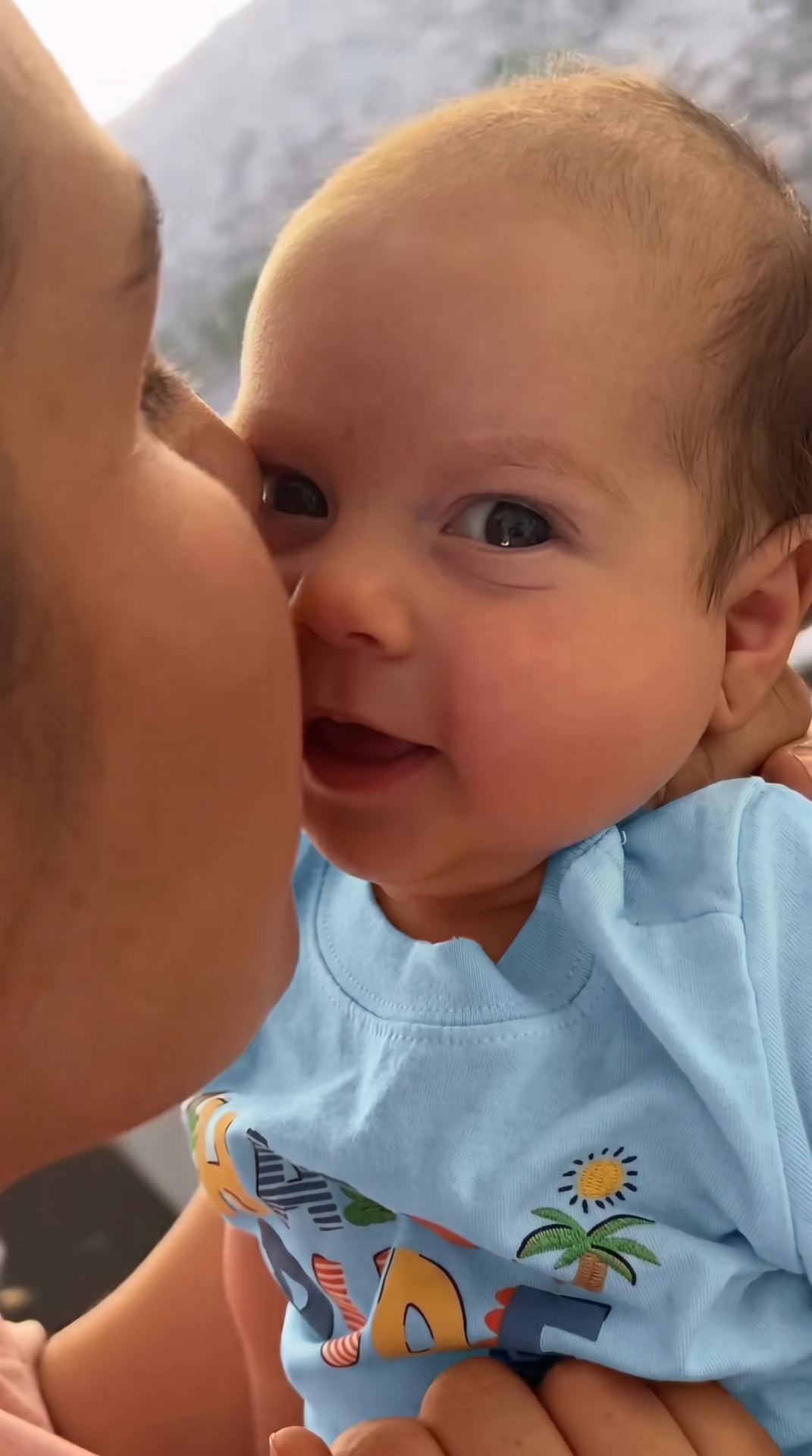
Separation anxiety means your baby has formed a strong, healthy bond with you. It also means leaving the room, handing them to a partner, or closing the bathroom door can trigger tears. This is completely normal, and it follows a fairly predictable timeline.
Separation anxiety often shows up at sleep and during leaps — see developmental leaps and fussy periods, how to help your baby fall asleep, and building a predictable daily routine.
When separation anxiety starts
Most babies show the first signs around 6–8 months, when they develop object permanence — the understanding that you still exist even when they can't see you. Before this, out of sight was literally out of mind. Now it isn't, and that's both a milestone and a challenge.
A second, often more intense wave hits between 15–18 months as toddlers become more mobile and more aware of their preferences. They want to explore — but they want you within arm's reach while they do it.
What it looks like
- Crying when you leave the room or hand them to someone else
- Clinging to you in new environments
- Waking at night and protesting when you try to leave after a feed or resettle
- Following you from room to room
- Sudden bedtime resistance even if sleep was going well
What helps
Practice short separations. Start with leaving for 30 seconds while they're safe in a playpen or with another caregiver. Gradually extend the time. This builds trust that you always come back.
Create a consistent goodbye ritual. A quick kiss, a wave, and a calm "I'll be back soon" is better than lingering or sneaking out. Sneaking out teaches them to watch you more anxiously, not less.
Stay calm yourself. Babies read your emotional state. If you act anxious about leaving, they will be anxious too. A confident, brief goodbye signals that the situation is safe.
At bedtime: a predictable wind-down routine and a transitional object (when age-appropriate) can help them feel secure even when you're not right there.
When it might be something more
If your child is inconsolable for long periods with every separation, shows extreme distress in all settings (not just with you), or the anxiety persists well past age 3 with no improvement, talk to your pediatrician. For most families, though, separation anxiety is a phase that softens with time and patience.
Separation anxiety comes in phases. Baby Signal helps you read where your baby is and what actually helps. Get Baby Signal.
A note on this guide: Baby Signal’s articles are written to be practical and reassuring, drawing on guidance from recognized health authorities. This is general information, not medical advice — for urgent or personal health concerns, always contact your pediatrician or emergency services.
Understand your baby — not just track them.
Baby Signal turns what you're seeing into one clear next step, shaped by your baby's age, history, and what you've already tried.